TANE KOYOMI
Ritto立冬 · “winter begins”
The time when winter sets in
- What to do today
- Eat & drink
- What to wear
- Care at home
- Getting ready for winter
- Body & mind
- Sky & calendar
- Other countries
Home›TANE KOYOMI›Ritto
 When is Ritto?
From around November 7,
until the next term, Shosetsu (小雪, “light snow”). About two weeks.
It is set by where the sun is in the sky, so it falls on almost the same date every year.※1
SCIENCEHow the National Astronomical Observatory of Japan sets it.
What is this time like?
Ritto (立冬) is written “winter stands.” Here, to stand means to begin.
The National Astronomical Observatory of Japan explains it in a few words: “signs of winter can be felt.”※1
Kanro is the time when the dew turns cold.
Soko (霜降, “frost descends”) is the time when that dew freezes.
Ritto is the time when winter begins.
But outside the northern regions, the view is still fall. In many places the fall leaves have not turned yet.※2
The name says winter, the view says fall. But we have come to the doorway of winter. The mark is put down ahead of time.
When does winter begin?
There is more than one answer. There are three ways to draw the line.
Winter in the twenty-four solar terms (Ritto).
Set by where the sun is.※1
Winter in American astronomy (the winter solstice).
Set by where the sun is.※3
Even looking at the same sun,
American astronomy starts winter at the winter solstice,
while the East Asian calendar “stands winter up” a month and a half earlier.
Ritto stands not in the middle of winter, but at its doorway.
This year’s date for Ritto, and the fall doyo (土用, the in-between time before a new season) just before it → The month calendar
SCIENCEHow astronomy and weather statistics set it.
Is “koharu-biyori” a spring day?
No. This is the surprise. I was sure it meant a day in spring.
In the words of the Japan Meteorological Agency, koharu-biyori (小春日和) is “warm, calm, clear weather from late fall into early winter.”※5
“Koharu” (小春, “little spring”) is another name for the 10th month of the old calendar. It falls in today’s November to early December.※6
In a survey by Japan’s Agency for Cultural Affairs, 41.7% of people thought it meant “a warm day in early spring.”※6
(I am exactly one of them.)
Even at the doorway of winter, there are days like spring. People gave them a name.
HISTORYRecords of the word, and the Agency for Cultural Affairs survey.
And in California?
After all that heat, the morning and evening temperatures drop sharply.
Then hot days, cool days, and rain take turns.
And then there are more clear winter days.
Even in Southern California, my breath turns white.
That is when I feel winter.
TANE
The normal November temperatures measured at the Orange County airport are about 22°C by day and about 12°C in the morning.※7
And November is the doorway of the rainy season.
Most of the rain here is brought by winter storms from November to March.※8
One more thing. In the U.S., at 2 a.m. on the first Sunday of November, clocks are set back one hour.※9
→ Does Halloween play a part, too?!
From the next day, evenings suddenly get dark earlier.
Japan (Tokyo)
November 7
Sunrise 06:08 Sunset 16:41
Daylight 10 h 32 min
California
November 7
Sunrise 06:15 Sunset 16:54
Daylight 10 h 39 min
The difference in the length of daylight is 7 minutes.
Times are by the clock of each place. Checked against the sunrise and sunset times of the National Astronomical Observatory of Japan (within 1 minute). From year to year the difference is a few minutes.
The length of the day is almost the same. That is because the two latitudes are only 2 degrees apart.
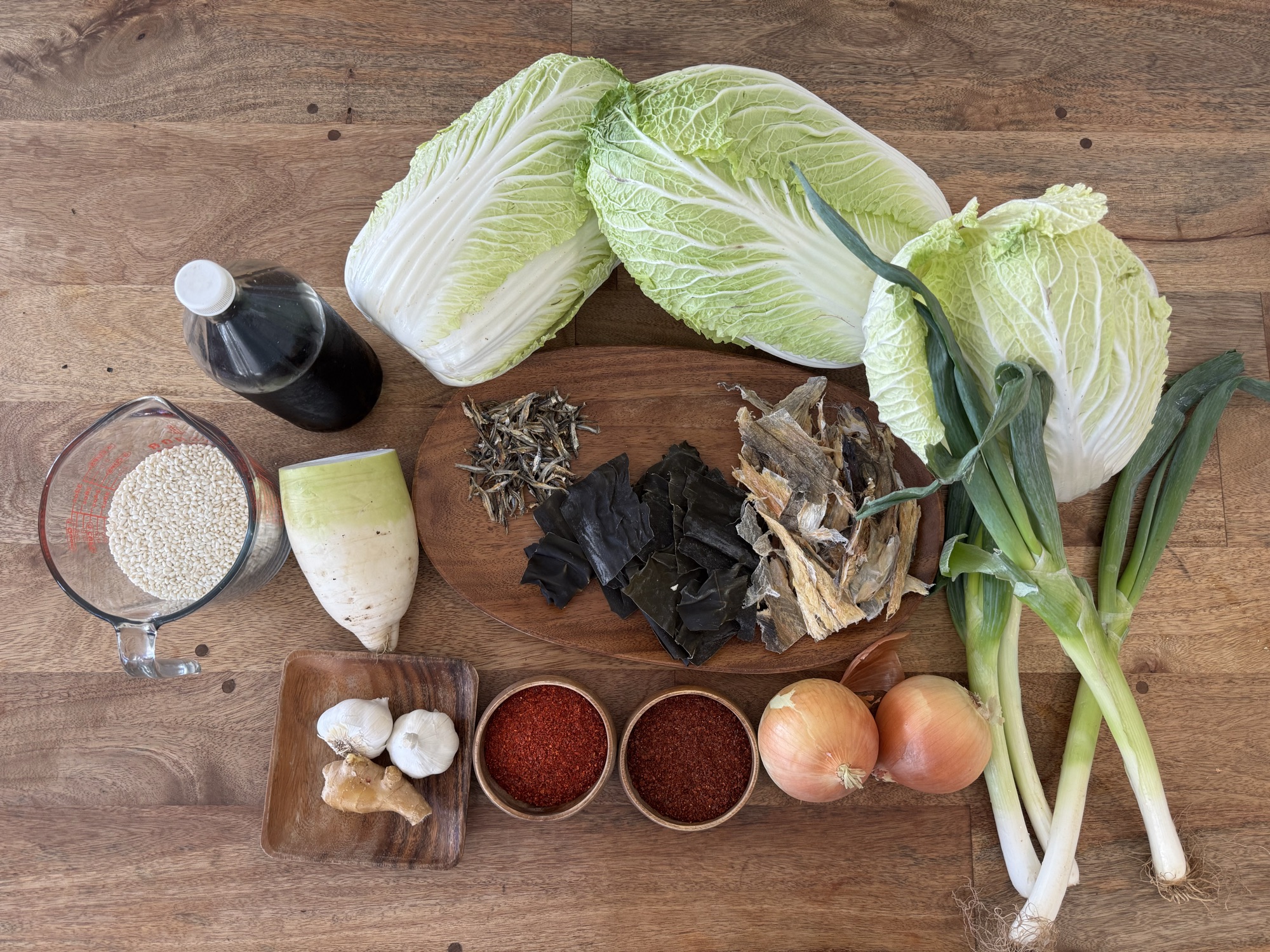
A day to begin getting ready for winter.
A day to start miso. A day to open the tea jar. A day to make kimchi.
Sometimes the day was set by a date on the calendar (Inoko).
Sometimes it was set by the color of the yuzu, or by how white one’s breath looked
(robiraki, opening the hearth in the way of tea).
The ways were different, but people watched the season for the day to begin.
TODAY
What to do today
None of these needs buying anything. One is enough. Tap one and it takes you to that part.
- 1Before turning on the heat,
tend to just one spot - 2On the tea bag,
write the day you opened it - 3Pick one thing to make this winter,
and set the day to start - 4On the evening the clocks go back,
see what time it gets dark - 5After the sun is up,
open a window and let the air in - 6Over the winter,
what would you like to store away?
EAT & DRINK
Eat & drink
Pickling, resting, breaking the seal.
- Food for Ritto
- Ritto and kimchi
- Our kimjang
- Napa cabbage pickles in Japan
- Starting miso
- November in California
- New Year for tea
- What to start this season
 Is there a set food for Ritto?
In Japan, no.
It seems there is nothing just for Ritto, like the kabocha squash and the yuzu bath of the winter solstice.※10
Instead, it is the season for breaking the seal on the tea, and in Korea, for starting kimchi.
Not a day for eating, but a day for beginning.
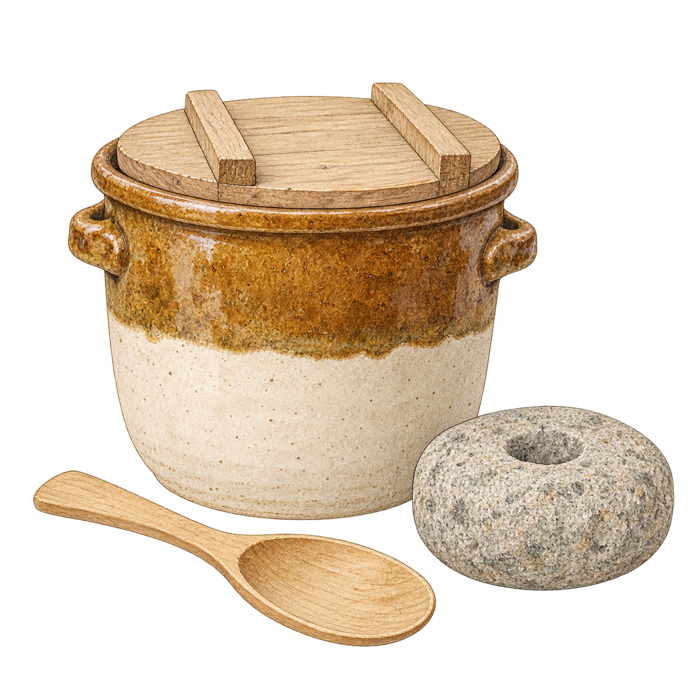
In Korea, Ritto was the guide for making kimchi
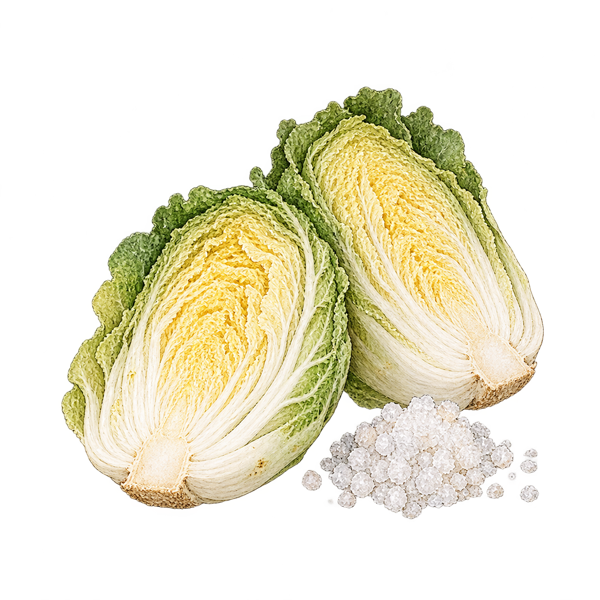
Making the whole winter’s kimchi at once.
It is called kimjang (김장). Often the whole family takes part.
A Korean encyclopedia puts it this way:
“Kimjang is done with Ritto as the standard. Only when it is made just before Ritto, or just after, does it have its true taste.”※11
Why that day?
As the days go by after Ritto, things freeze. Fresh ingredients run out. Hands get harder to move.※11
In Korea, where the cold is harsher than in Japan, Ritto was also a kind of deadline for the kitchen.
In the markets, daikon radishes and napa cabbages were piled up like mountains.
Long ago, the sight of women washing them by the river was something people came to watch.※11
Kimjang does not end in one day in November.
According to UNESCO’s description for its Intangible Cultural Heritage list (2013), the preparation takes a whole year.※12
- Spring ── shrimp, anchovies and other fish are bought, salted, and left to rest
- Summer ── sea salt is bought for the brine
- Late summer ── red chili peppers are dried and ground into powder
- Late fall ── a large amount is made together in the neighborhood and shared between households
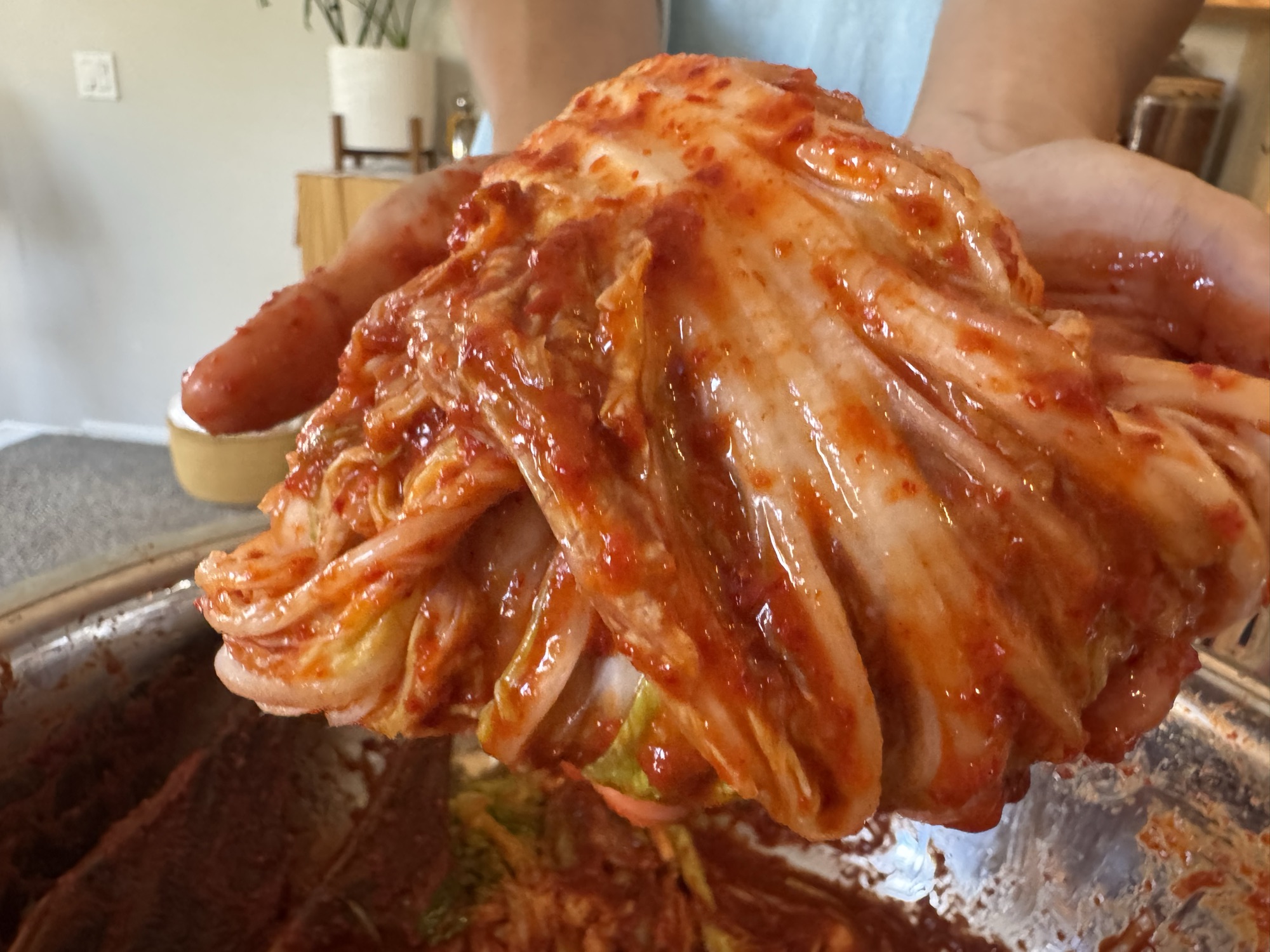
For the cabbage pickled in November, the preparation has been going on since spring.
These days the custom is fading, and in Korea, too, many people buy kimchi from the store. The way to make it was mostly handed down from mother-in-law to the woman who married into the family.※12
And still, here is kimchi, handed down like this as Korea’s signature food.
I hope the taste of each family and each region keeps being handed down.
HISTORYA Korean encyclopedia, and the UNESCO record.
Our kimjang
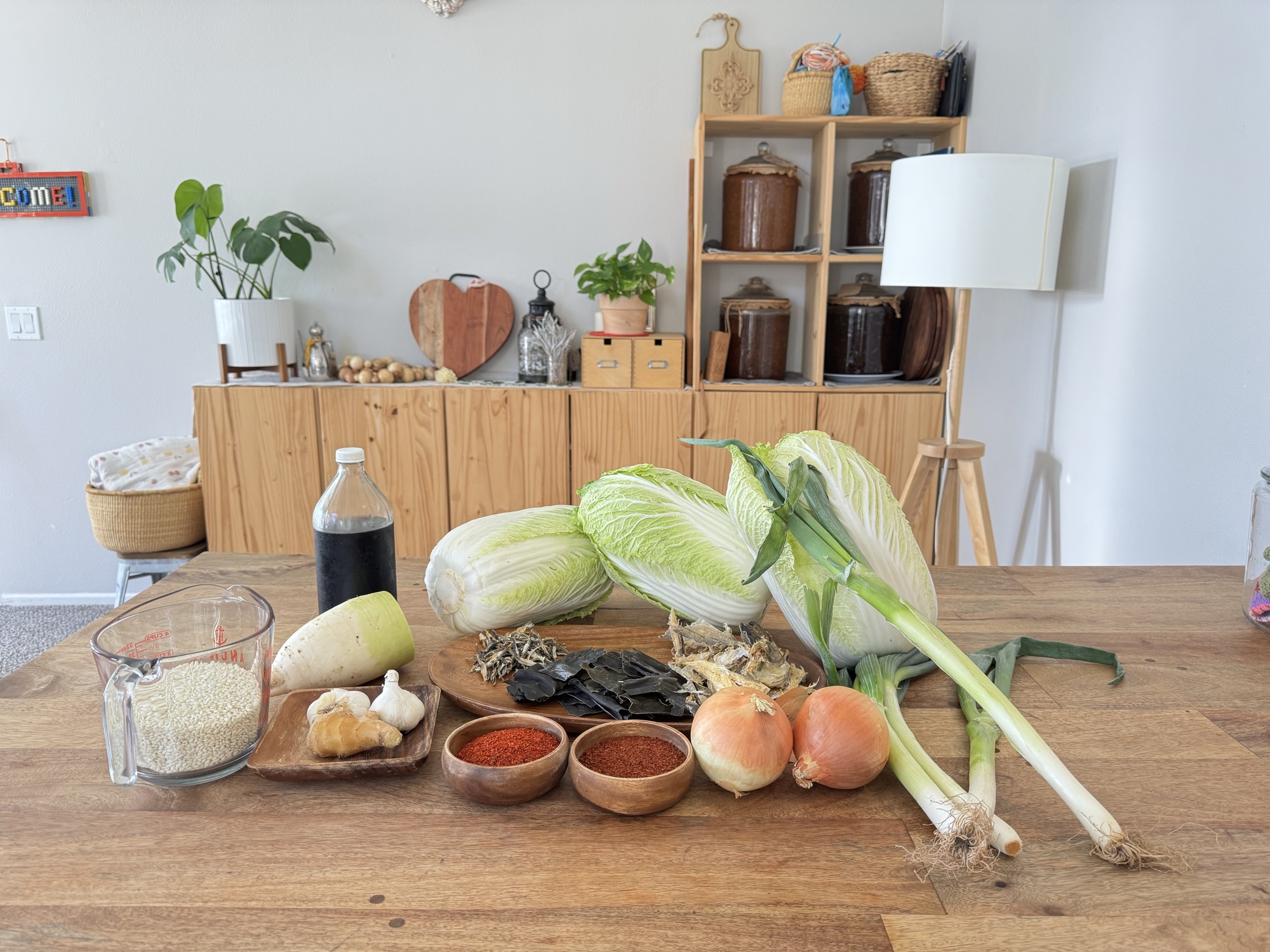
When good napa cabbage starts to appear, the whole family joins in.
A few times over the winter.
In Korea, some homes have a “kimchi refrigerator” that can hold a whole year’s worth.
We don’t have one, so we make at most about 6 large heads of napa cabbage.
TANE
The size of the storage space decides how much is made at one time.
The same story as the “cool, dark place” on the Soko page. → Where is a cool, dark place?
I started kimchi completely self-taught.
Going by the taste of kimchi and by what Korean people told me, I have kept making it, looking for the kimchi I wanted to eat. So both the method and the ingredients are different from the real thing in Korea.
It is a taste Japanese people like.
Happily, my self-taught, “maybe something like this?” kimchi has been quite popular.
But TANE also plans to introduce traditional Korean kimchi.
Both have their good points.
TANE
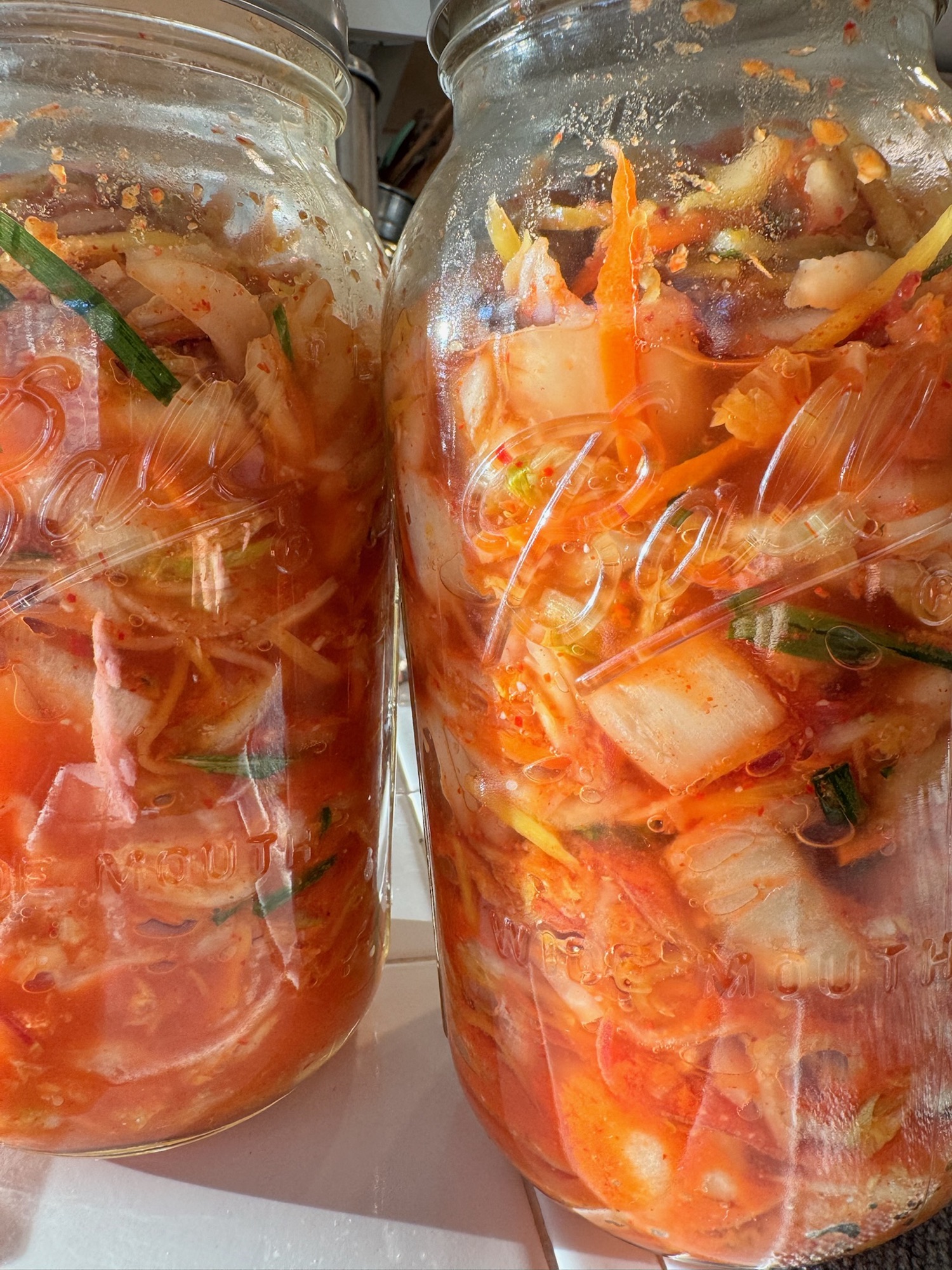
A way handed down from mother-in-law to daughter-in-law, and a way put together by my own sense of taste.
Both are on the road from hand to hand.
Korean people, wherever in the world they live, always seemed to me to need kimchi. Before, I sometimes thought, “Why? Isn’t that a little too particular?”
But it is a national food, a fermented food eaten from childhood, generation after generation.
I came to wonder whether the body wants the lactic acid bacteria in kimchi.
Just as Japanese people feel at ease with miso soup, maybe the fermented food that has supported a people is something the body wants.
This is only my own thought.
TANE
A recipe page is being prepared.
About koji and miso → Food & fermentation A list of things you can make → Things to make
Stores where napa cabbage, chili powder and jeotgal (salted seafood) can be bought → Stores where Japanese and Korean goods are easy to find
In Japan, too, napa cabbage has been pickled around this time
Sendai napa cabbage, from Miyagi.
“The napa cabbage comes into season in mid-November, when frost falls. After the harvest it is left for a while to go soft, then salted and pickled.”※13
For takuan from Yamagata, daikon radish is dried for 2 weeks to 20 days, until it bends without breaking, and then pickled with rice bran and salt. It is a great help as a food that keeps, too.
It is left to pickle for 6 to 12 months.※14
The story of drying daikon is on the Soko page. → Will the daikon be dried after this, too?
HISTORYRecords of local dishes, collected by Japan’s Ministry of Agriculture, Forestry and Fisheries.
When is miso started?
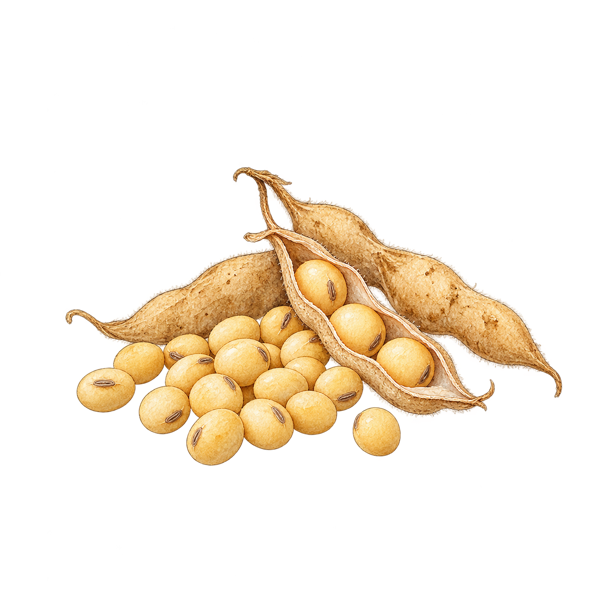
Around Ritto is the harvest time for new soybeans.
In Aomori from mid-October; in Fukuoka from late October to mid-November.※37※38
Miso is started after that.
A koji shop writes, “It has long been said that homemade miso should be started in kan (寒, the coldest season).”
It also says the custom was to start it from late November to February, let it sleep through the winter, and let it ferment slowly from spring.※39
In the cold season there are fewer stray microbes in the air, so it suits starting miso, it has long been said.※40
On Amami long ago, from fall into early winter, when the new cycad nuts were gathered, everyone made a year’s worth of miso together.※41 The ingredient was not soybeans but cycad nuts. When it is harvested, it is started. The order is the same.
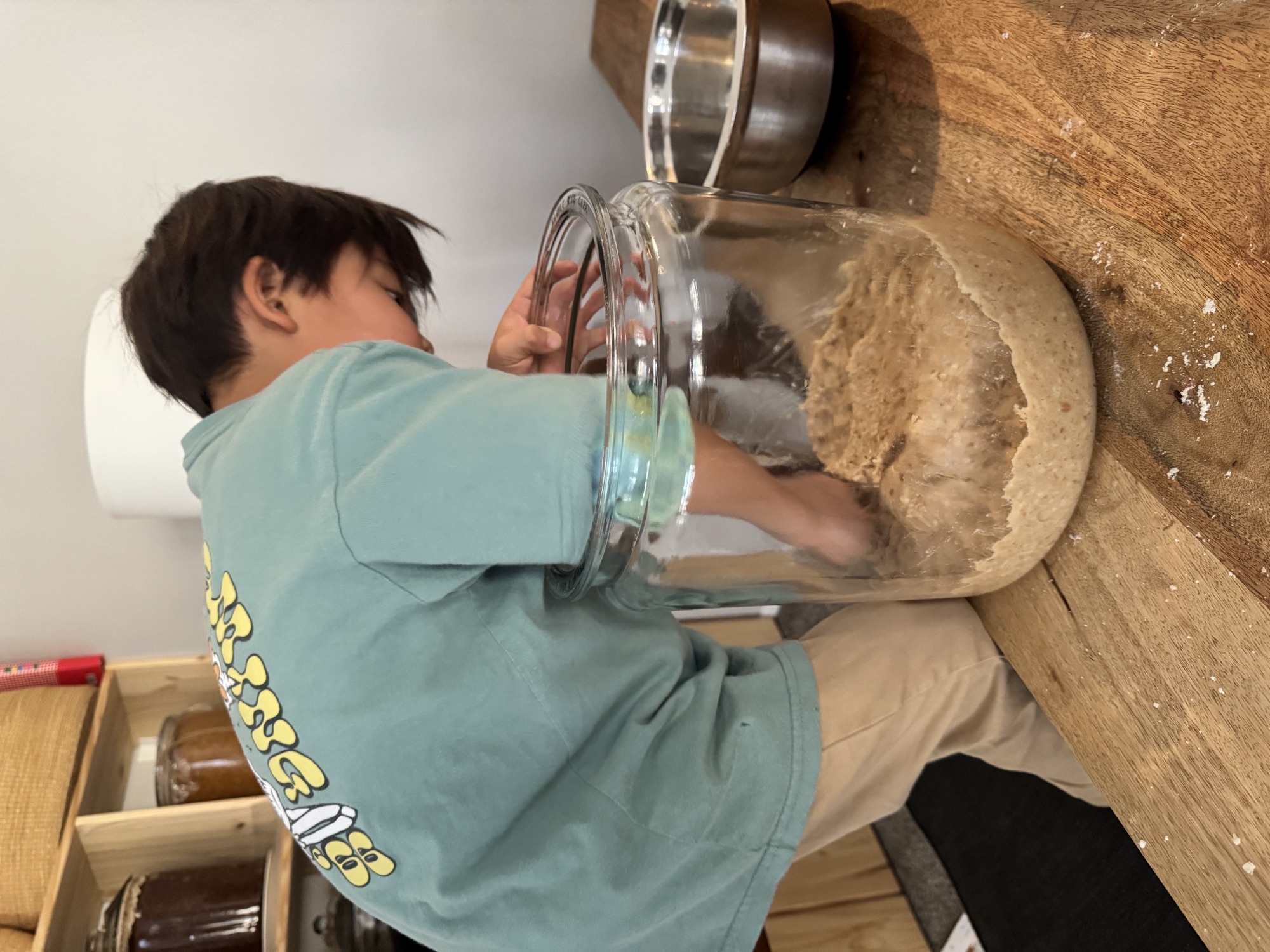
Long ago, each home made its own miso.
So each home’s taste was different, and it was easy to think your own home’s miso was the best. “Temae-miso” (手前味噌, “my own miso,” meaning praising what is your own) comes from this.※42
This fall, what I am starting is miso. Koji, amazake, shio koji.
TANE (from the Kanro page)
Ritto is the doorway to the season of starting things.
What happens inside the jar, and about color and time → the reading “Miso starts to look different”
TANE’s workshops have made miso, too → Workshops
HISTORYThe harvest is from prefectural documents, “temae-miso” from a dictionary, Amami from the Ministry of Agriculture, Forestry and Fisheries. “Start it in kan” is how makers put it.
What comes out in November in California?
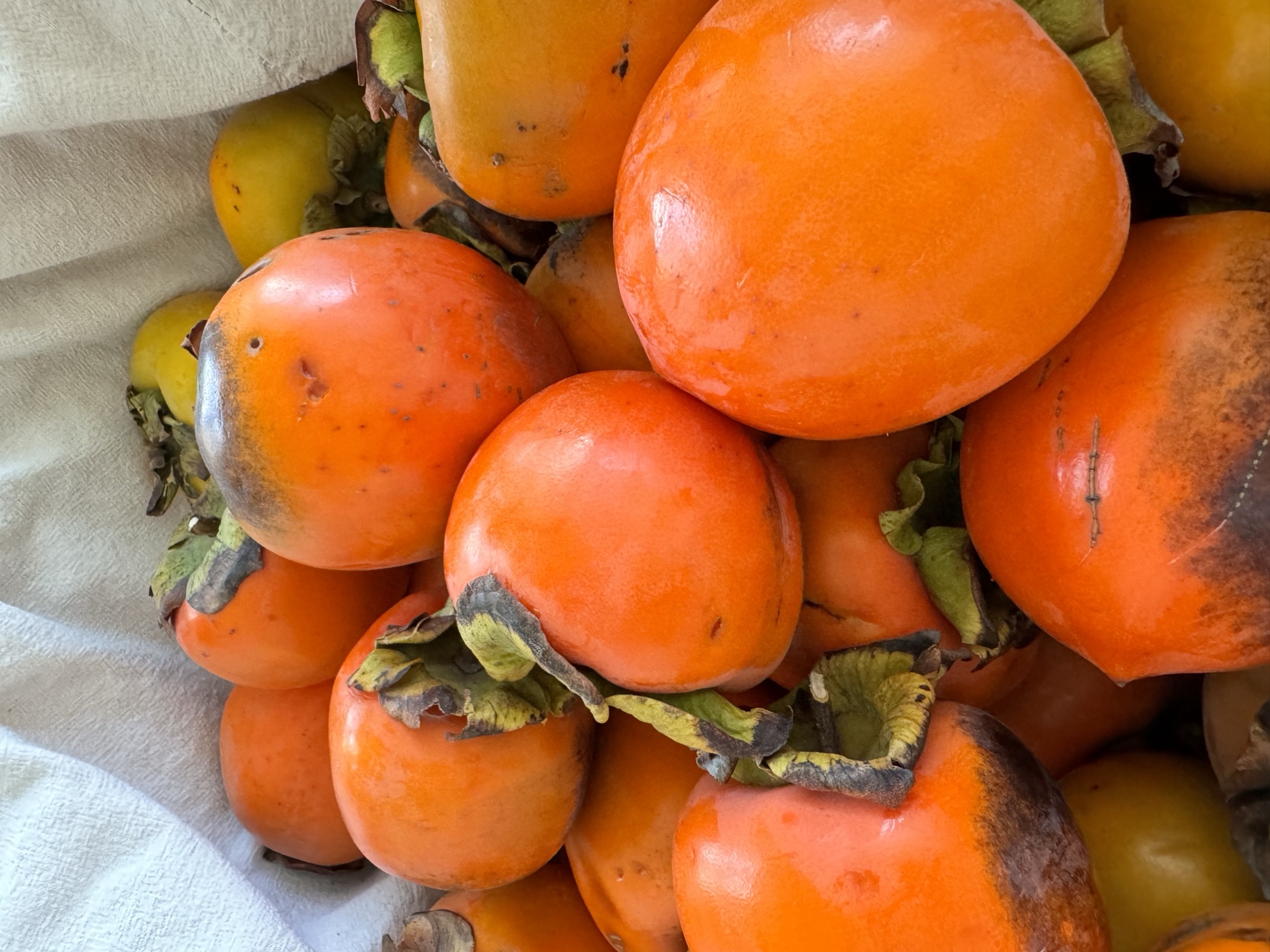
- Persimmons (Fuyu, Hachiya) ── only from September to December※15
- Pomegranates ── September to January※15
- Satsuma mandarins ── the early ones (Dobashi Beni, Okitsu Wase) ripen at the end of October. Owari about a month after that※16
Dobashi Beni, Okitsu Wase and Owari all grow well in the cool areas of Southern California, says a university guide.※16
Farmers’ markets nearby → Farmers’ markets in California
About persimmons → About persimmons
Tea has a New Year, too
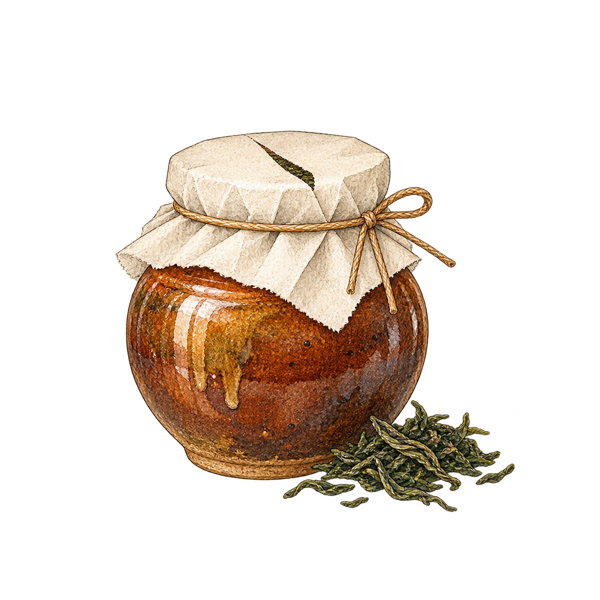
Omotesenke, a school of the tea ceremony, writes:
“In the world of chanoyu (the way of tea), early November, Ritto in today’s calendar, is the start of a new year.”※17
The new tea picked in spring is kept, still as whole leaves, in a tea jar.
Around Ritto, the seal on the jar is broken, and the tea starts to be used.
This is called “kuchikiri” (opening the jar).
This time, when the new tea is first used, is called “the New Year of tea”.※17※18
The leaves from the opened jar are ground in a stone tea mill, and their use begins.※18
The new tea is not drunk right after picking, but rested, and opened in winter. The way of tea has that way of drinking.
There are written guides for when to open the hearth, too.
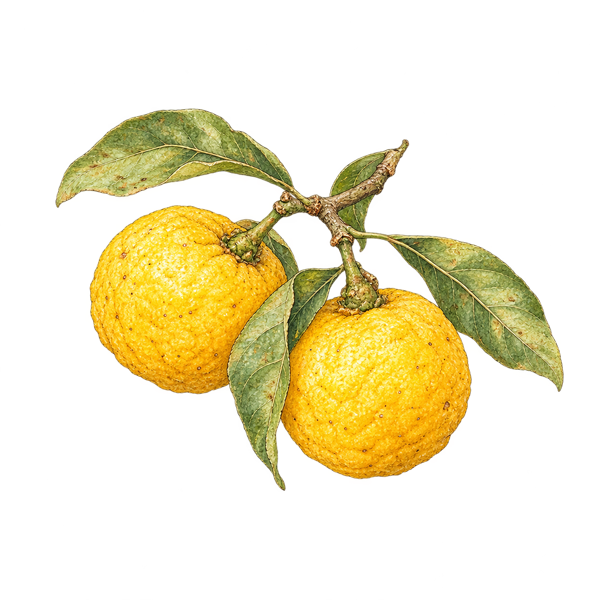
Rikyu said, “when the yuzu turns color.” Sotan, the third head of the family, said, “once your breath looks white.”※19
Not by the date, but by the color of the yuzu, and their own breath.
In California, too, I felt winter when my breath turned white. (Above: “And in California?”)
This is delicious. I love it.
For green tea, I have been buying from this tea farm for the past several years.
TANE
A tea farm on Yakushima grows its own tea and sells it itself. As whole leaves.
→ What we choose: naturally grown sencha from Yakushima
The rules we choose by → Our rules for choosing
How resting changes color and taste → the reading “Miso starts to look different”
HISTORYWhat the head family of a tea school writes.
What to start this season?
Ritto is a day for beginning.
From Kanro to Soko, and then Ritto. All through the fall, there have been things to start in the kitchen, one after another.

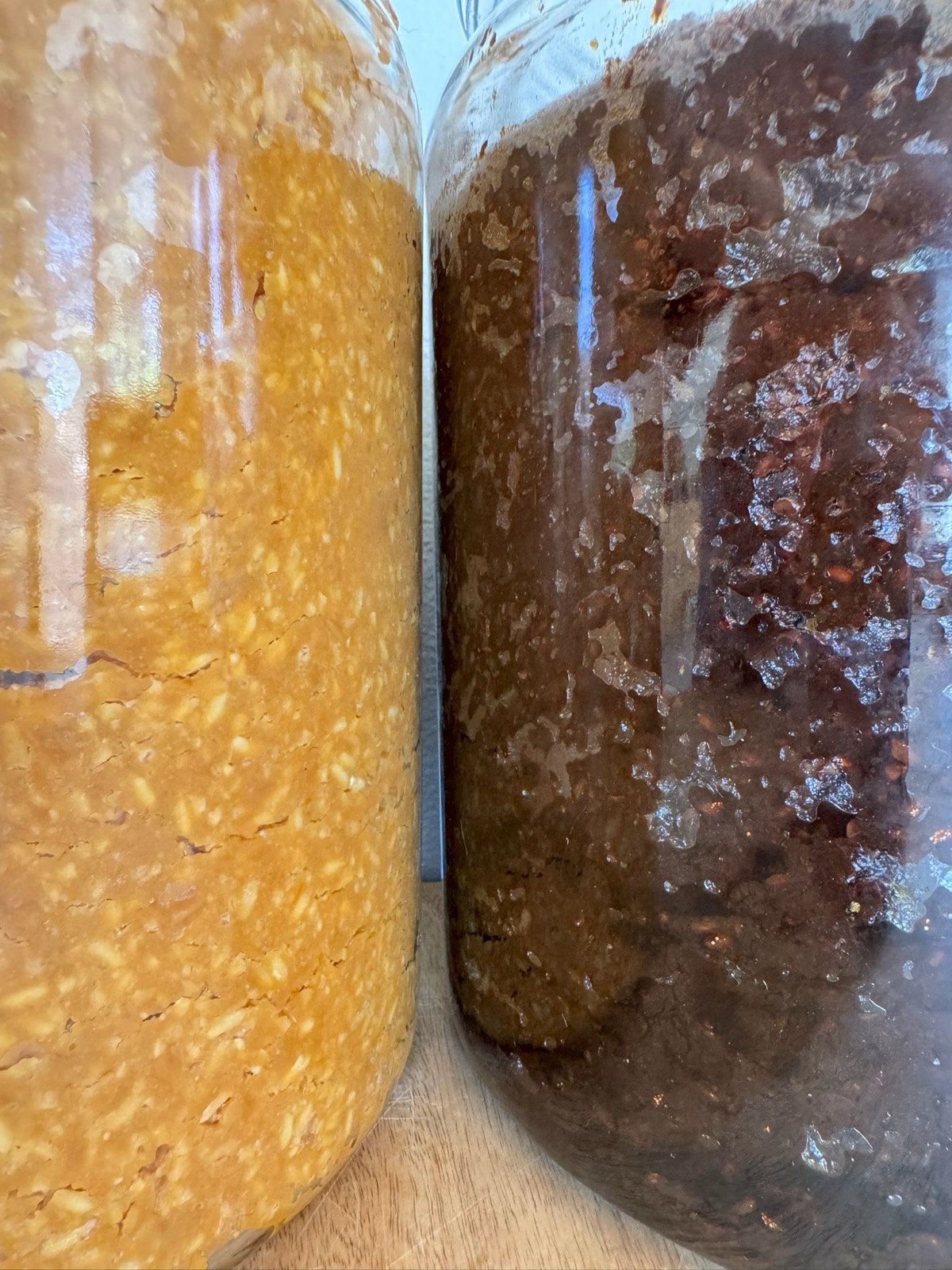
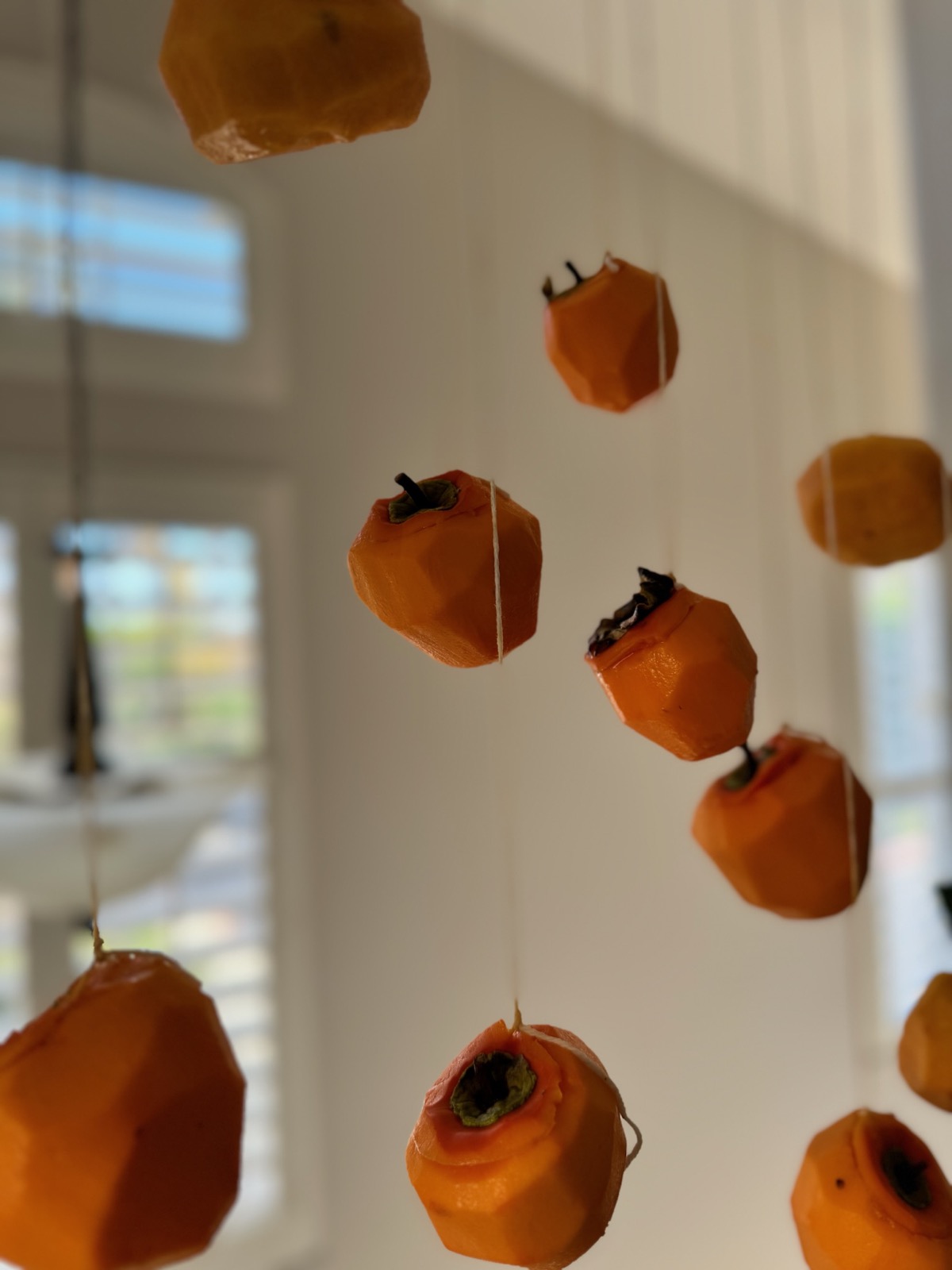
Pages on how to make them → The recipe shelf
About koji and miso → Food & fermentation A list of things you can make → Things to make
For anyone who would like to look together at why we do it this way, while moving their own hands.
→ Workshops On-demand courses (when they are ready, you will hear first)
WEAR
What to wear
One more layer.
 When did kings long ago put on winter clothes?
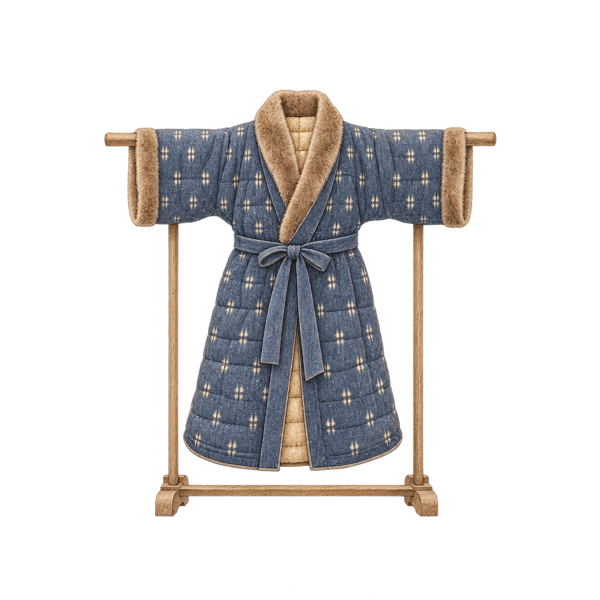
An old Chinese book, the Liji (礼記, the Book of Rites), writes about the first month of winter.
“In this month, the Son of Heaven puts on furs for the first time.”※20
Around Soko, people in Edo “added” cotton padding to their kimono.
At Ritto, one more layer goes on top. Well, of course ── it’s cold...
→ When did people long ago change to winter clothes? (Soko)
→ What to air, and how? Can shrunken wool be brought back? (Kanro)
CARE
Care at home
A day to light the fire, a day to protect the trees.
When did the kotatsu come out?
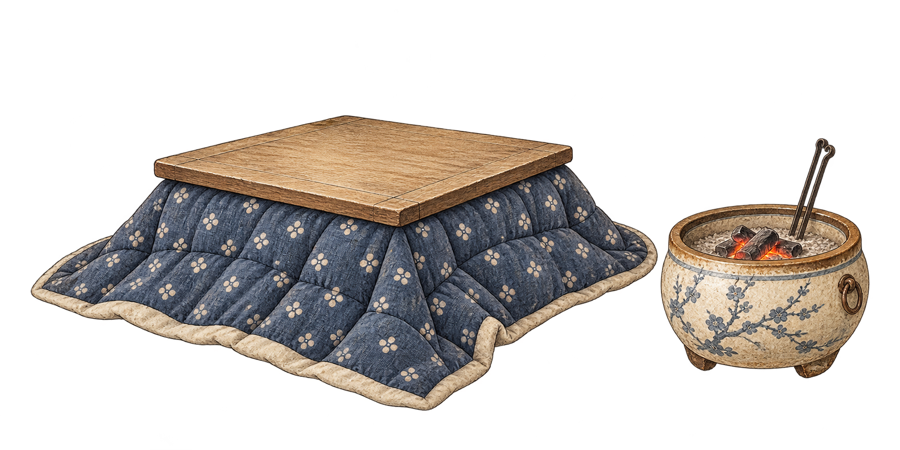
On the day of the boar (亥, i) in the 10th month of the old calendar. It is called “Inoko” (亥の子).
A dictionary says, “In early modern times there was a custom of opening the hearth and the kotatsu (a low table with a heat source and a quilt), and bringing out the hibachi (a charcoal brazier), from this day.”※21
The 1720 play Shinjū Ten no Amijima (The Love Suicides at Amijima) even has a line celebrating opening the kotatsu on Inoko.※21
I love that bringing out the kotatsu was one of the celebrations.
Why the day of the boar?
In yin-yang and the five phases, the boar (亥) is “water.”
So it has long been said that a fire lit on this day will not turn into a house fire.
At the imperial court, the day of the boar in the month of the boar was taken as “the start of the water season,” and from that day a fire was lit in the hearth, Omotesenke explains.※22
Here, too, yin-yang and the calendar are used so that there will be no fire. To me, it looks like more than prayer or wishing for luck: a history of living together with the flow of nature, respecting it, and letting daily life follow it.
Inoko was also, at first, a day to celebrate the harvest and send off the god of the rice fields.
Tōkanya (十日夜) in the Kantō region is the same kind of day.※21
In early modern times, people set the day to bring out the heating by the calendar.
They did not wait for the cold. They lined it up with a date.
HISTORYDictionary records. “No house fire” is something that has long been said.
What to do before the heat goes on?
When the heating is on, the air in the room gets dry.
The U.S. Environmental Protection Agency (EPA) writes that humidity inside a home should be below 60%, and ideally 30–50%.※23
Even when using a humidifier, not above 50%. If water forms on windows or walls, humidify less.※24
Not too dry, and not too damp.
The water on the windows we looked at for Soko is a sign of “too damp.” → Why are the windows wet in the morning?
Before turning on the heat, try tending to just one spot.
Dust on things that have been sitting out, a futon that was put away. Anywhere is a fine place to start.
About skin in the season when the air gets dry, see the Soko page → When the air gets dry, what about skin?
SCIENCEGuidelines from the U.S. EPA.
Snow country gets its trees ready
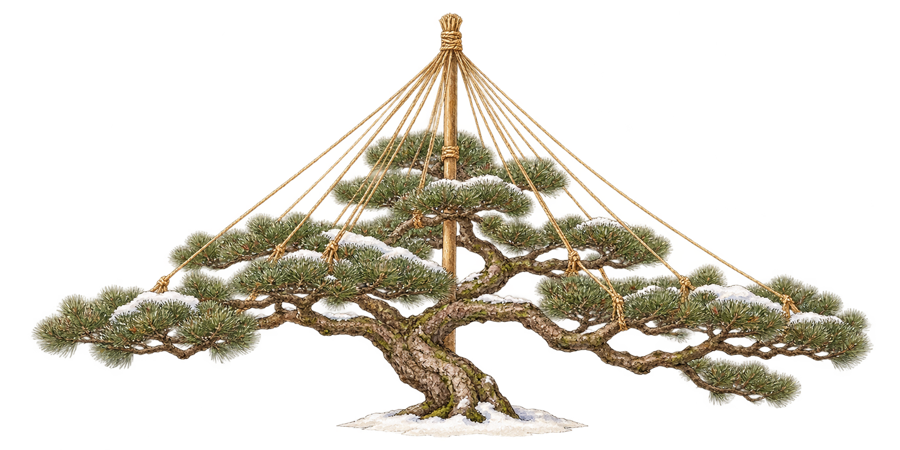
Kenrokuen, a garden in Kanazawa, begins “yukizuri” (雪吊り, snow hanging) on November 1.
The branches are held up with ropes, so they do not break under the weight of the snow.
The largest pine has its branches held by about 800 ropes from 5 poles (the 2024 example).※25
In Sapporo, before the snow falls, low street trees are wrapped in bamboo and rope. When the snow melts in spring, it comes off.※26
HISTORYRecords put out by the prefecture and the city.
AT WINTER'S DOOR
Getting ready at winter’s door
What people long ago did at the doorway of winter, and today’s “what about us?” The column on the far right is yours.
| What was done at winter’s door | Why | Your own getting ready | |
|---|---|---|---|
| Food | Making kimchi all at once (Korea) | As the days go by, things freeze, ingredients run out, and hands get harder to move | What would you like to make this winter? When will you start? |
| Food | Bringing in the new soybeans, and waiting to start miso in kan, the coldest season | It has long been said, “start it in kan” | Will you start miso this winter? |
| Drink | Breaking the seal on the jar of new tea (the way of tea) | Tea picked in spring and rested is opened in winter | The tea you are drinking now ── when did you open it? |
| Home | Lighting the kotatsu and the hearth (Inoko) | Lined up with a date on the calendar (early modern times) | Before the heat goes on, where will you tend? |
| Clothing | The king puts on furs for the first time (an old Chinese book) | Because it is the first month of winter | This year, what is your one more layer? |
| Mind | Closing up and storing away (a book from over 2,000 years ago) | To store away what will come out in spring | Over the winter, what will you store away? |
BODY & MIND
Body & mind
Winter is the season of closing up and storing away.
- A book over 2,000 years old
- What is heizō?
- Winter, water and jin
- What is jin?
- Does it mean anything?
- In today’s winter
- What to store away?
A book from over 2,000 years ago tells how to spend the winter
A Chinese book called the Huangdi Neijing (黄帝内経, the Yellow Emperor’s Inner Classic).
Over 2,000 years ago, the ideas not of one person but of many people were gathered into it, over a long time.
It is said to be the oldest medical book in China.※27
In a part of it called the Suwen (素問, “Basic Questions”), winter is described like this.※28
- The three months of winter are “heizō” (閉蔵). The season of closing up and storing away.
- Water freezes, and the ground cracks.
- Go to bed early, get up late. Wait until the sun is up.
- Keep the things you want to do quietly inside your chest. Stay calm, as if you already had something precious.
- Keep away from the cold, and stay where it is warm. Do not sweat and let too much of what is inside the body out.
- This is the winter way of living: “storing away.” Doing the opposite harms the “jin” (腎), and in spring it becomes hard to feel lively.
TRADITIONWhat has been written in an old book. Not something checked by today’s science.
What does “heizō” mean?
“Hei” (閉) means to close.
“Zō” (蔵) means to store away, to hide, and a storehouse.※29
Why close up and store away?
A scholar of the Tang dynasty added this note to the book:
“Grasses and trees wither, and insects go into the soil. The doors of the earth close.”※30
Because nature is closing up, people close up too. That is how they thought.
Rice harvested in fall is kept in the storehouse through the winter.
Because it was stored away, there are seeds to sow in spring.
The last line of the passage says, “there will be less to offer to the ‘life’ of spring.”
It is written this way: if you do not store away in winter, there is nothing to bring out in spring.
Why are “winter,” “water” and “jin” lined up together?
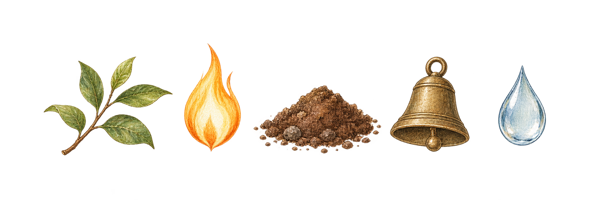
People in old China sorted the many things of the world into 5 groups.
Wood, fire, earth, metal, water. This is called “gogyō” (五行, the five phases).※31
| Group | Season | Body |
|---|---|---|
| Wood | Spring | Liver |
| Fire | Summer | Heart |
| Earth | Doyo | Spleen |
| Metal | Fall | Lungs (Kanro) |
| Water | Winter | Jin |
The row after “fall = metal = lungs,” which we looked at for Kanro. → What is “gather in in fall, store away in winter”?
Winter belongs to the “water” group.
The Suwen lists the members of the water group like this.※28
Season: winter
Direction: north
Weather: cold
In the sky: Mercury
Color: black
Taste: salty
Grain: beans
Jin
Bones
Ears
Cold comes from the north, water is born from cold, the salty taste is born from water, and it nourishes the jin ──
they read these linked together, like a word-chain game.※28
INTERPRETATIONOne way of reading the world.
Is “jin” the same as the kidneys?
It is thought not to be the same.
In the old books, “jin” (腎) was less the name of one organ in the body, and more a name for the work of “storing,” “growing,” and “moving water around.”※32
The Suwen calls the jin this:
“Like an insect sleeping through the winter, it keeps what is precious stored away ── the root of storing.” And it “is linked with winter.”※28
The interesting part is the character.
In this book, the “organ” (臓) of the body and the “storehouse” (蔵) for keeping things are written with the same character (藏).※28
Does this mean anything?
Let’s try sorting what is written by its kind.
| What is written | What kind of knowledge | How sure it is |
|---|---|---|
| In winter, water freezes; nights are long | About nature | You can still check it with your own eyes today |
| Go to bed early, wait until the sun is up Keep away from the cold, do not let too much out through sweat | Old everyday wisdom | Written in a book over 2,000 years ago, and still with us today |
| Doing the opposite harms the jin, and you lack energy in spring | An old way of thinking (the five phases) | Not something checked by today’s science |
It is not just two choices, “it means something” or “it means nothing.”
If you keep what is about nature and what is handed-down lore apart, you can choose for yourself.
Even if it has not been checked, it shows how people over 2,000 years ago tried to spend the winter.
That in itself is worth knowing.
So how to spend today’s winter?
Let’s try setting the book’s words into today’s life.
Not rules. Just one thing to try.
| The old book | In today’s life |
|---|---|
| Go to bed early | At night, try dimming the lights a little earlier than usual |
| Wait until the sun is up | Open the windows after the sun is up (in California, from the morning after the clocks go back, your usual time is one hour brighter) |
| Keep away from the cold, stay where it is warm | Find the warmest spot in your home |
| Keep what you want to do inside your chest | In winter, “save up” rather than start. A time to prepare. And to look inward. Choose one thing you would like to open in spring |
| Close up and store away | Pickling, resting (kimchi, kuchikiri, opening the tea, miso) |
Over the winter, what will you store away?
Tea was picked in spring and opened in winter.
The salted seafood for kimchi was salted in spring and used in winter.
And you?
- Over the winter, what would you like to store away?
- When spring comes, what would you like to open?
How people have said fall should be spent is on the Kanro page → Six questions to turn toward yourself
SKY & CALENDAR
Sky & calendar
How is Ritto set?
Think of the sun’s path as a ring of 360 degrees.
The day the sun reaches 225 degrees is Ritto.※1
Exactly halfway between the fall equinox (180 degrees) and the winter solstice (270 degrees).
The “fall doyo,” which began before Soko, ends on the day before Ritto.※1
→ Soko, and the fall doyo
SCIENCEAstronomy: it is set by where the sun is.
What did Japan and China call the same 15 days?
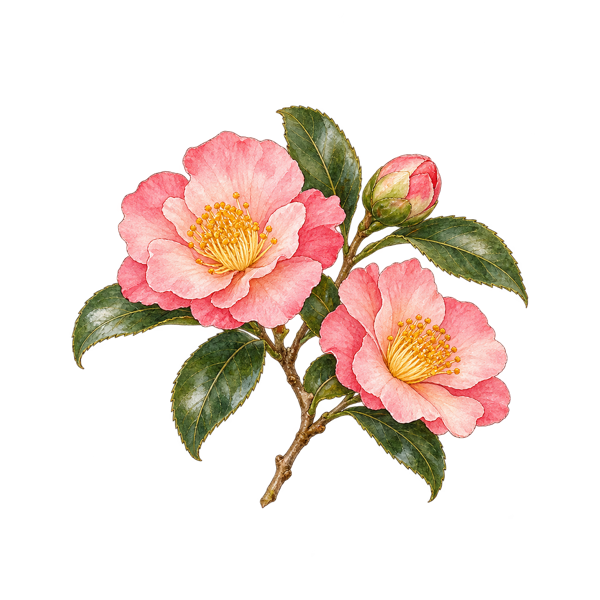
Japan: Sasanqua begins to bloom
China: Water begins to freeze
Japan: The ground begins to freeze
China: The ground begins to freeze
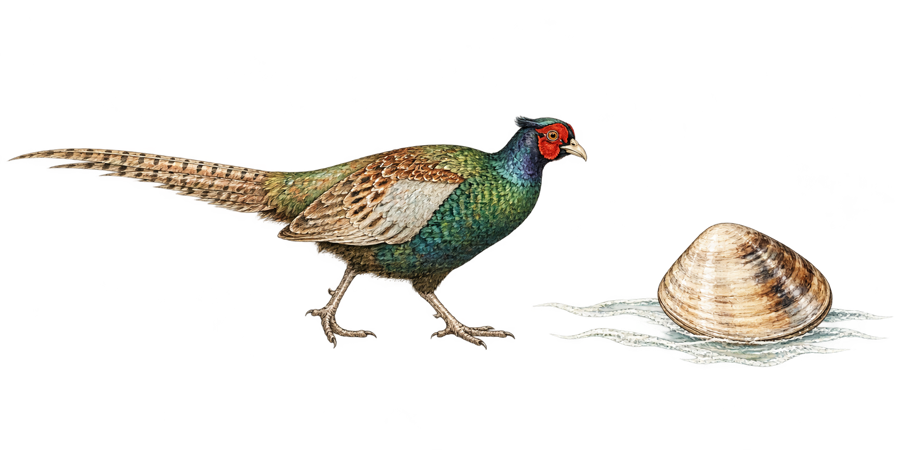
Japan: Narcissus blooms
China: Pheasants go into the sea and become giant clams
Of the three, only the middle one is the same in Japan and China.※33
In the first one, “山茶” is read “tsubaki” (camellia), but in Japan’s seventy-two kō (七十二候, the 72 short seasons) it means sasanqua. In China, “山茶花” means camellia.※34
For the last one, “金盞” (kinsen), one view is that it is narcissus; another view is that it is calendula (kinsenka).※35
HISTORYRecords of the calendar. Views differ on “金盞.”
How has Western astrology read Scorpio?
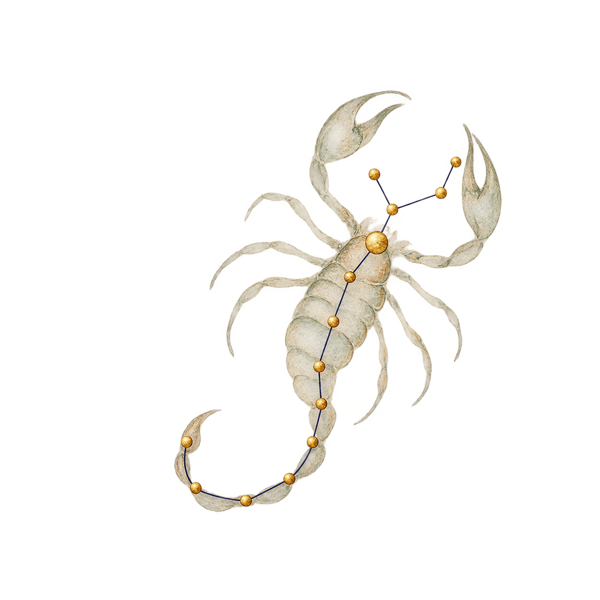
In Western astrology, the sun’s path is divided into 12 parts called “signs.” Scorpio is one of them.
On the day of Ritto, the sun is right in the middle of Scorpio.※43
→ When does Scorpio begin? (Soko)
A water sign. A “fixed” sign, one that does not move. Its meaning is “passion.”
Its ruling planets are Mars and Pluto. That is how it has been read.
There are 4 signs called “fixed”: Taurus, Leo, Scorpio and Aquarius.※43
→ Mars since long ago, Pluto since 1930 (Soko)
Counted by angle, the four “starts” ── of spring, summer, fall and winter (Risshun, Rikka, Risshu, Ritto) ── each come in the middle of one of these 4 signs.
It is written that a sign’s kind is set by its place within the season.※44
If we count it against astronomical fall (from the fall equinox to the winter solstice※3), Scorpio is the second month of fall. TANE joined the 2 sources and counted.
At the same place, the East Asian calendar reads “winter begins.”
→ The Celts, too, made this the start of winter (and in America?)
TANE also refers to this view, as knowledge that people before us grew.
But here, we are setting side by side how people have read the same sky.
SCIENCEThat Ritto is in the middle of Scorpio, and that the four “starts” come in the middle of the 4 signs, are calculations of angle.
INTERPRETATIONThe qualities of the signs and the “fixed” grouping are a record of how Western astrology has read them.
What has Scorpio season been read as a time for?
Astrologers today read Scorpio season like this.※45
Deep and real.
Surface-level friendships stop feeling like enough. A season when honest feelings and sincerity matter.
Letting go.
A season to let built-up feelings all the way out, to give in to the flow, and to let go. They also write that “it isn’t easy.”
Looking inward.
Where have you been using your own power until now? A season for looking back.
The article also asks a question like this:
“Who, and what, do you want to spend your most precious time on?”
Here’s something interesting. A Chinese book from over 2,000 years ago wrote of winter as the season to “close up and store away.”
Astrologers today read Scorpio season as a season to “look inward.”
The ways of reading are different, yet they point in a similar direction.
→ What does “heizō” mean?
TANE’s idea: one page in a notebook on the night of Ritto.
Try writing one of each: “what I will store away this winter” and “what I will let go.”
→ Over the winter, what will you store away?
INTERPRETATIONHow astrologers today read it. Not something checked for whether it comes true.
AROUND THE WORLD
Other countries, other ways of reading
And in Korea? ── Reading the winter from the sky at Ritto
On Jeju Island, people say that if the day of Ritto is not warm, the wind will be harsh that year.
In the southern regions, people say that if the day of Ritto is cold, that winter will be very cold.※11
No one has checked whether these come true. They are probably words born from long years of experience.
But every year, on the same day, people looked at the sky, compared it with the year before, and tried to read the winter.
Reading ahead from the experience of daily life. That has stayed with us in the form of folk forecasting.
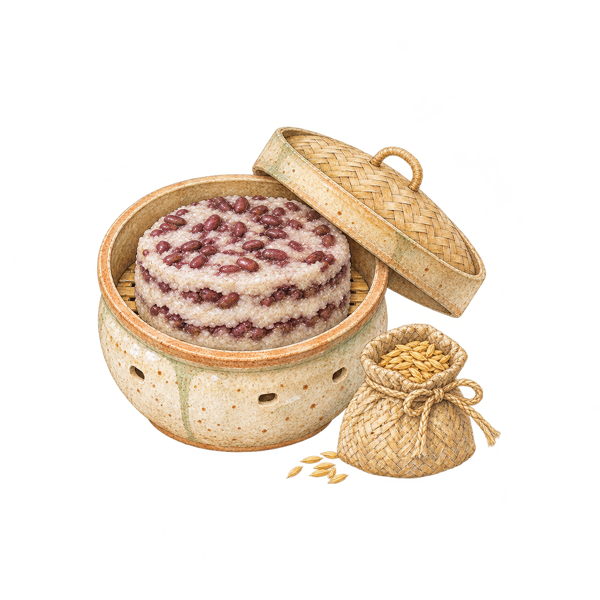
Around this time, people make steamed rice cakes with the newly harvested rice, offer them to the storehouse and the seed rice, and then eat them.
They share some with the ox that worked all year, too, and with the neighbors.※11
TRADITIONFolk sayings. Whether they come true has not been checked.
And in America? ── Winter starts at the winter solstice
The U.S. National Oceanic and Atmospheric Administration (NOAA) explains it like this:
astronomical winter begins at the winter solstice (around December 22). Winter by weather statistics begins on December 1.※3
Around Ritto, it is still “fall.”
Instead, on the first Sunday of November the clocks go back one hour, and the time it gets dark turns to winter first.※9
Still, there were people in the West, too, who put a mark at the doorway of winter.
One view is that Halloween, on October 31, comes from an old Irish festival for the start of winter.
An astronomy explainer writes that the day exactly halfway between the fall equinox and the winter solstice is “around November 7,” and that for the ancient Celts it was not the middle of the season, but its start.※36
On the calendar, it is the same place as Ritto.
And in China? ── Welcoming winter at the northern edge
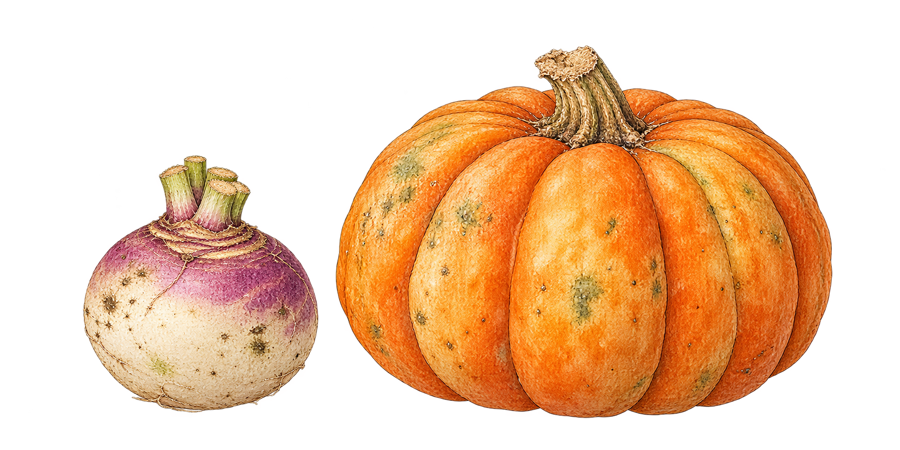
The Liji says that on the day of Ritto, the king took his officials to the northern edge of the capital and welcomed winter.※20
Korea pickled and read the sky, America turns back the clocks, and China welcomed winter in the north.
At the doorway of winter, every land had something it “lined up” to do.
How TANE read it
This time is the start of winter.
And it is the time to put up the harvest.
This also became food that kept through the winter, and it kept life going.
Even to bring in warmth, people used fire, and so that the “fire” would not become a house fire, they chose the day of the boar, which is “water.”
From how Ritto feels on the skin, they read the coming winter.
People today have almost forgotten this kind of feeling.
As life gets more convenient, the sense of the seasons fades too. Before we look up at the sky ourselves, before we turn our eyes to nature, we live where what we need is already prepared for us. That is something to be truly thankful for. Perhaps we are rich in things, too. But I think that this kind of sensitivity and feeling, sensing the workings of nature, is also a kind of richness.
TANE
NOT YET
What is not yet known
Things I looked for and did not find. I am leaving them here as they are.
Open what is not yet known (5)
- Whether “金盞” (kinsen) is narcissus or calendula. Neither view cites the original calendar.
- It is sometimes said that in Korea there was a feast called “chigemi,” held at Ritto to honor the elderly. I could not find it in any official encyclopedia.
- Who set the temperature guideline for when kimjang suits best. I found it only in news reports.
- The season for napa cabbage and daikon radish in Southern California.
- An explanation, by an academic society or a public body, of how “jin” in the old books differs from the kidneys of today.
Open the sources (※1–※42)
- ※1National Astronomical Observatory of Japan (国立天文台), Ephemeris Computation Office, 「こよみ用語解説 二十四節気」
- ※2Japanese Wikipedia, 「立冬」
- ※3NOAA NCEI, “Meteorological Versus Astronomical Seasons”
- ※4Japan Meteorological Agency (気象庁), forecast terms, 「時に関する用語」
- ※5Japan Meteorological Agency, forecast terms, 「季節現象」
- ※6Agency for Cultural Affairs, Japan (文化庁), public relations magazine 「ぶんかる」, ことば食堂, 「小春日和」 (2018)
- ※7NOAA NCEI, 1991–2020 normals (Santa Ana John Wayne Airport; converted to °C)
- ※8National Weather Service San Diego, “The Weather Guide” (2012)
- ※9NIST, “Daylight Saving Time”
- ※10Japan Weather Association, tenki.jp, an article on 「立冬」
- ※11Encyclopedia of Korean Culture (韓国民族文化大百科事典; Academy of Korean Studies), 「입동」
- ※12UNESCO, “Kimjang, making and sharing kimchi in the Republic of Korea”
- ※13Ministry of Agriculture, Forestry and Fisheries of Japan (MAFF), 「うちの郷土料理」, 仙台白菜の漬物 (Miyagi)
- ※14MAFF, 「にっぽん伝統食図鑑」, たくあん漬 (Yamagata)
- ※15California Grown, “Winter fruit” (2025)
- ※16UC Cooperative Extension Riverside, “Questions and Answers to Citrus Management”
- ※17Omotesenke (表千家), 「茶の湯の新年」
- ※18Omotesenke, 「口切り」
- ※19Omotesenke, 「炉開き」
- ※20『礼記』, 月令 (Chinese Wikisource)
- ※21Kotobank (コトバンク), 「亥の子」 (精選版 日本国語大辞典, 日本大百科全書)
- ※22Omotesenke, 「亥の日と炉」
- ※23US EPA, “A Brief Guide to Mold, Moisture and Your Home”
- ※24US EPA, “Use and Care of Home Humidifiers” (1991)
- ※25Ishikawa Prefecture (石川県), yukizuri at Kenrokuen (press material, 2024)
- ※26City of Sapporo (札幌市), 「街路樹」
- ※27Kotobank, 「黄帝内経」 (デジタル大辞泉, 世界大百科事典, 日本大百科全書, Britannica)
- ※28『黄帝内経・素問』, 四氣調神大論, 金匱真言論, 陰陽應象大論, 六節藏象論 (Chinese Wikisource)
- ※29Kotobank, 「蔵」 and 「閉蔵」
- ※30『重廣補注黃帝內經素問』, the notes of Wang Bing (王冰) (Chinese Wikisource)
- ※31Japanese Wikipedia, 「五行思想」
- ※32Japanese Wikipedia, 「臓腑」
- ※33Japanese Wikipedia, 「七十二候」
- ※34tenki.jp, 「山茶始開」 (2015)
- ※35tenki.jp, 「金盞香」 (2015, 2016)
- ※36EarthSky, “Halloween and the cross-quarter day” (2025; an astronomy explainer site)
- ※37Aomori Prefecture (青森県), 三八農林水産事務所, 「農作物の生育状況と今後の対策等(10月)」 (2026)
- ※38Fukuoka Prefecture (福岡県), 「令和7年産大豆の収穫」 (2025)
- ※39鈴木こうじ店, 「自家製味噌の仕込み時期」 (2021; a maker’s shop)
- ※40ひかり味噌, press release (2015; how a maker puts it)
- ※41MAFF, 「にっぽん伝統食図鑑」, ナリ味噌 (Kagoshima, Amami)
- ※42Kotobank, 「手前味噌」 (デジタル大辞泉, 世界大百科事典)
- ※43Japanese Wikipedia, 「黄道十二宮」 (Scorpio’s ecliptic longitude, element, modality, ruling planets and meaning; the 4 fixed signs)
- ※44English Wikipedia, “Astrological sign” (a sign’s kind is its place within the season)
- ※45Refinery29, “Scorpio season” (2023; the words of astrologers Iva Naskova and Stephanie Campos)
Sources opened during the research
- National Astronomical Observatory of Japan (国立天文台), Ephemeris Computation Office, 「こよみ用語解説 二十四節気」
- Japanese Wikipedia, 「立冬」 (the quotation from 『暦便覧』; the length of day and night; fall leaves)
- NOAA NCEI, “Meteorological Versus Astronomical Seasons” (updated 2023-03-10)
- Japan Meteorological Agency (気象庁), forecast terms, 「時に関する用語」
- Japan Meteorological Agency, forecast terms, 「季節現象」 (koharu-biyori)
- Agency for Cultural Affairs, Japan (文化庁), public relations magazine 「ぶんかる」, ことば食堂, 「小春日和」 (2018-05-09)
- NOAA NCEI, 1991–2020 normals (Santa Ana John Wayne Airport, USW00093184)
- NWS San Diego, “The Weather Guide,” 6th ed. (2012)
- NIST, “Daylight Saving Time” (updated 2026-02-09)
- Japan Weather Association, tenki.jp, an article on 「立冬」 (updated 2025-10-27)
- Encyclopedia of Korean Culture (韓国民族文化大百科事典; Academy of Korean Studies), 「입동」 (written 1995; last revised 2026-08-27)
- UNESCO, “Kimjang, making and sharing kimchi in the Republic of Korea” (inscribed 2013)
- Ministry of Agriculture, Forestry and Fisheries of Japan (MAFF), 「うちの郷土料理」, 仙台白菜の漬物 (Miyagi)
- MAFF, 「にっぽん伝統食図鑑」, たくあん漬 (Yamagata)
- China Daily (2024-11-07), on Lidong (立冬)
- China Intangible Cultural Heritage Network (中国非物质文化遗产网), 「冬至节的民俗」 (2007-12-20)
- China Daily, English-learning page (2023-11-08), on bu dong (補冬, “nourishing for winter”)
- California Grown, “Winter fruit” (2025-12-22)
- UC Cooperative Extension Riverside, “Questions and Answers to Citrus Management,” 3rd ed.
- Omotesenke (表千家), 「茶の湯の新年」
- Omotesenke, 「口切り」
- Omotesenke, 「炉開き」 (Rikyu, Sotan)
- 『礼記』, 月令 (Chinese Wikisource)
- Kotobank (コトバンク), 「亥の子」 (精選版 日本国語大辞典, デジタル大辞泉, 日本大百科全書)
- Omotesenke, 「亥の日と炉」
- US EPA, “A Brief Guide to Mold, Moisture and Your Home” (updated 2026-02-18)
- US EPA, Indoor Air Facts No. 8, “Use and Care of Home Humidifiers” (1991)
- Ishikawa Prefecture (石川県), press material on yukizuri at Kenrokuen (October 28, 2024)
- City of Sapporo (札幌市), 「街路樹」 (updated 2025-12-10)
- 『黄帝内経・素問』, 四氣調神大論 and 金匱真言論 (vol. 1) / 陰陽應象大論 (vol. 2) / 六節藏象論 (vol. 3) / 宣明五氣篇 (vol. 7) (Chinese Wikisource)
- Japanese Wikipedia, 「七十二候」 (updated 2025-10-12)
- tenki.jp, 「山茶始開」 (2015-11-09)
- tenki.jp, 「金盞香」, the narcissus view (2015-11-21) / the calendula view (2016-11-17 https://tenki.jp/suppl/kous4/2016/11/17/17531.html)
- EarthSky, “Halloween and the cross-quarter day” (2025-10-31)
- Historic UK, “Martinmas”
- Government of Slovenia, GOV.SI, “Must turns into wine on St Martin's Day” (2024-11-15)
- Met Office, “Indian summer”
- 『重廣補注黃帝內經素問』 (四部叢刊 edition), the notes of Wang Bing (王冰) (Chinese Wikisource; updated 2026-02-27)
- Japanese Wikipedia, 「臓腑」 (updated 2024-11-09)
- Kotobank, 「蔵」 and 「閉蔵」 (デジタル大辞泉, 精選版 日本国語大辞典, 字通)
- Kotobank, 「黄帝内経」 (デジタル大辞泉, 世界大百科事典, 日本大百科全書, Britannica)
- Japanese Wikipedia, 「五行思想」 (updated 2026-09-01)
- Seoul Metropolitan Government, Media Hub, an article by a citizen reporter (2019-11-05)
- Japan Meteorological Agency, Tokyo, the standard for 「木枯らし1号」 (the first cold north wind of winter) (notice of November 4, 2020)
- Aomori Prefecture (青森県), 三八農林水産事務所, 「農作物の生育状況と今後の対策等(10月)」 (2026-10-15)
- Fukuoka Prefecture (福岡県), 「令和7年産大豆の収穫」 (2025-11-11)
- 鈴木こうじ店, 「自家製味噌の仕込み時期」 (2021-11-24; a maker’s shop)
- ひかり味噌, press release (2015-02-02; a maker)
- MAFF, 「にっぽん伝統食図鑑」, ナリ味噌 (Kagoshima)
- Kotobank, 「手前味噌」 (デジタル大辞泉, 精選版 日本国語大辞典, 世界大百科事典)
- Japanese Wikipedia, 「黄道十二宮」 (Scorpio’s ecliptic longitude, element, modality, ruling planets and meaning; the 4 fixed signs)
- English Wikipedia, “Astrological sign” (a sign’s modality is its place within the season)
- Refinery29 (Elizabeth Gulino; updated 2023-10-19), “Scorpio season” ── the words of astrologers Iva Naskova (Nebula) and Stephanie Campos